Sri Lanka, done properly
A guide for travelers who want more than a good trip
Sri Lanka looks like a straightforward destination until you start planning it.
It’s compact on a map. Distances seem manageable. And there’s a temptation to think you can piece it together easily. A few nights here, a train journey there, a beach at the end.
But the trips that feel truly seamless aren’t the ones that cover the most ground. They’re the ones where someone thought carefully about the order, rhythm, and details that aren’t visible on any itinerary. The property that suits you perfectly, the guide who adds something, the pacing that lets each place breathe.
This guide covers the key experiences that make Sri Lanka exceptional. The rest, including the specifics, the properties, and the sequencing, is exactly what your advisor is there for.
The South Coast – Settle in. The trip begins here.
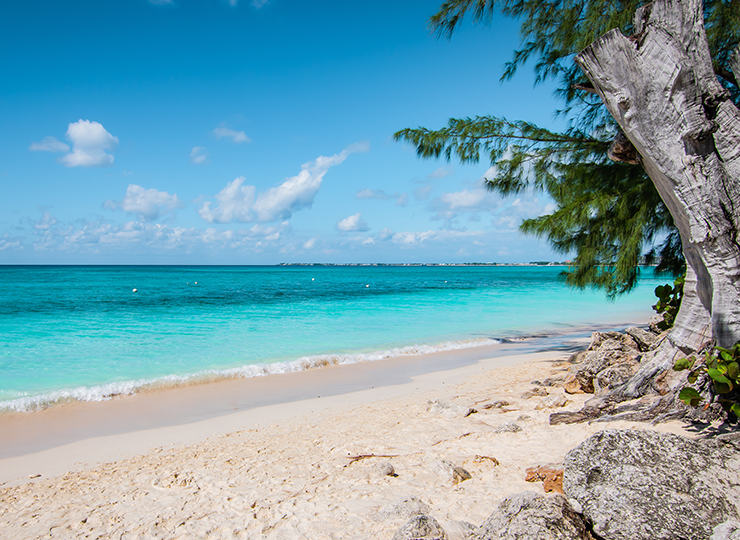
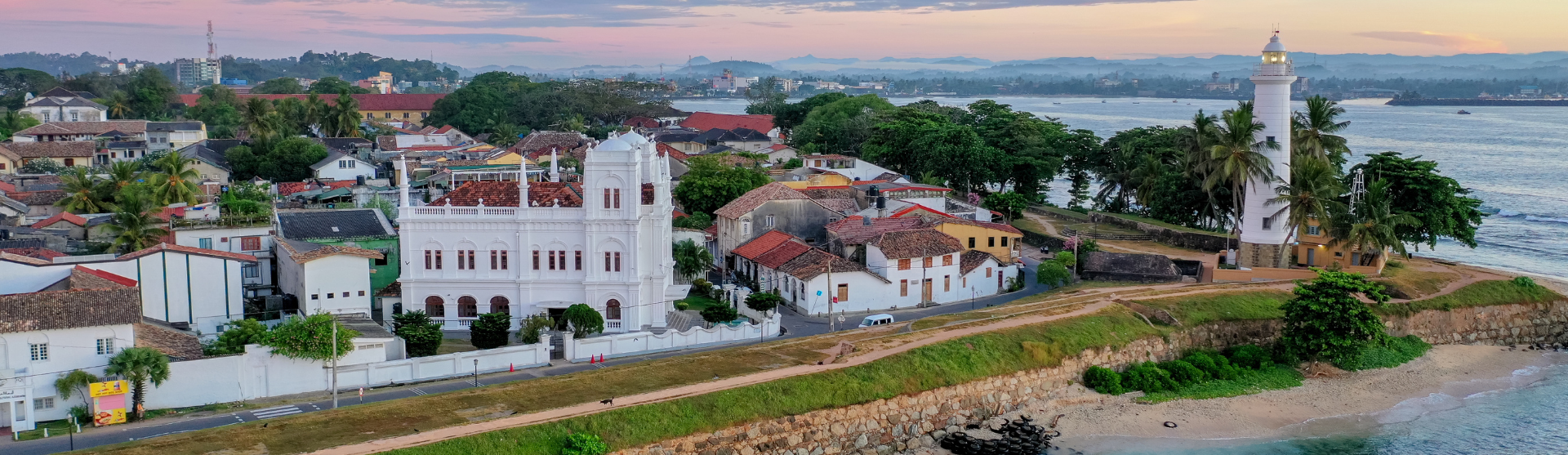
Most journeys to Sri Lanka begin near Galle, and there’s good reason for that. The south coast eases you in gradually. Warm, unhurried, and full of texture without overwhelming you on day one.
Galle Fort is one of those places that genuinely rewards time. The Portuguese ramparts, Dutch colonial architecture, narrow lanes lined with boutiques and restaurants that don’t try too hard, it’s the kind of place thats better on foot, in the early evening, when the light softens and the heat begins to ease.
Beyond the fort, the coastline stretches in both directions with beaches that range from lively to secluded. Choosing between them depends entirely on what you’re looking for at the start of a trip.
What to keep in mind:
- The fort is best explored on foot, save it for late afternoon when the atmosphere transforms
- The coastline west of Galle tends to be quieter, east is more accessible
- This part of the trip sets the pace, don’t underestimate the value of settling in
Hill Country – where the landscape changes entirely
The interior of Sri Lanka is where most people’s understanding of the island shifts.
The hill country is centered around Ella, Nuwara Eliya, and Kandy, and is cooler, quieter, and visually unlike anything on the coast. Tea plantations roll across every hillside, mist moves through the valleys in the morning, and the pace slows in a way that feels earned after the energy of the south.
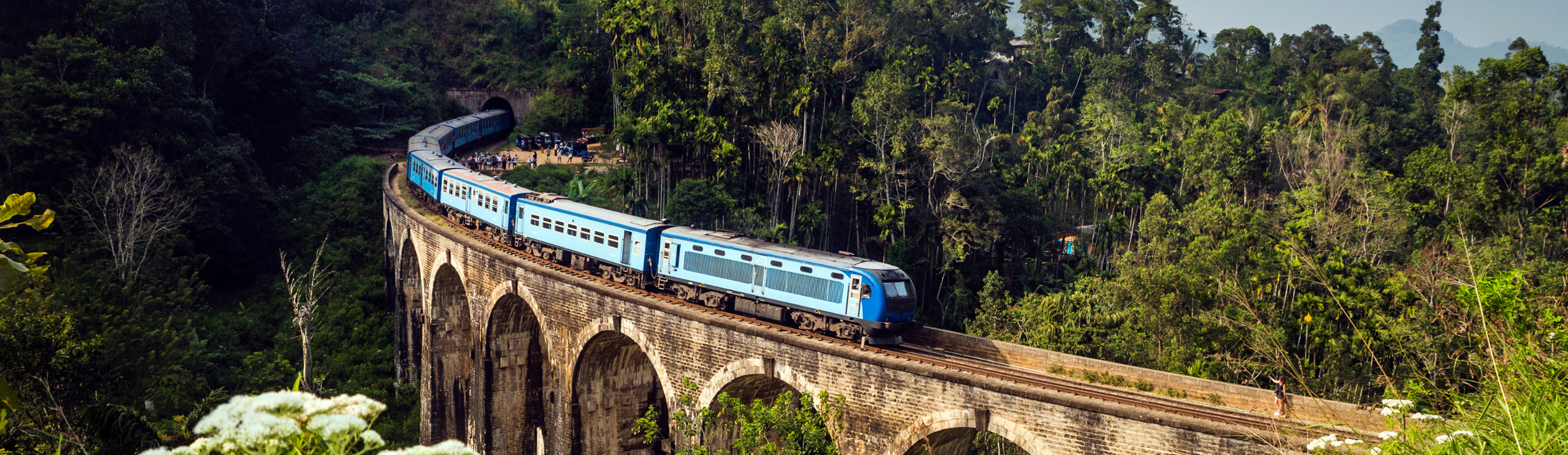
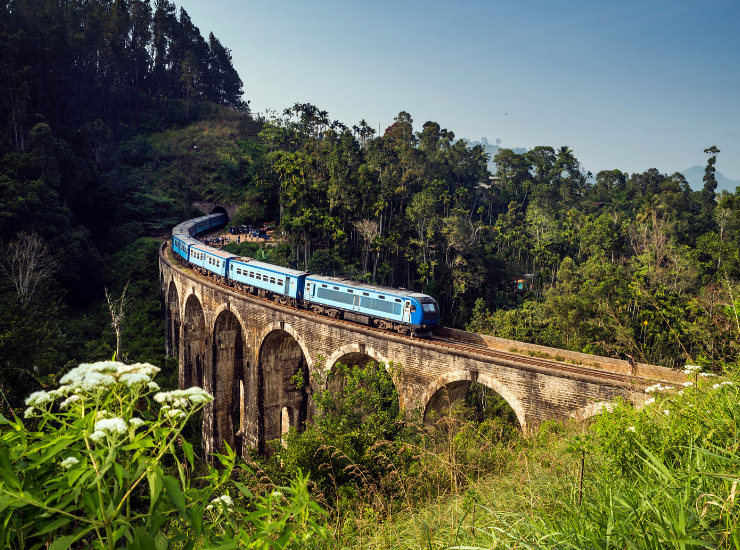
Taking a train journey through this region is a must, particularly the stretch between Ella and Nanu Oya, which passes through some of the most photographed scenery in the country. But the train is a means, not an end. What you do either side of it matters just as much.
Tea here isn’t a footnote, it’s the reason the landscape looks the way it does. Visiting a working estate with a knowledgeable guide gives you something no brochure really captures: an understanding of why this part of the world produces some of the most prized tea in existence, and what that looks like up close.
What to keep in mind:
- Early morning walks through the plantations are worth building your schedule around
- The train is iconic, but the right section and the right seat make a real difference
- Not every property in the region translates well to actual experience; guidance here is valuable
Wildlife & safari – Underestimated. Always.
Sri Lanka’s wildlife credentials tend to surprise people.
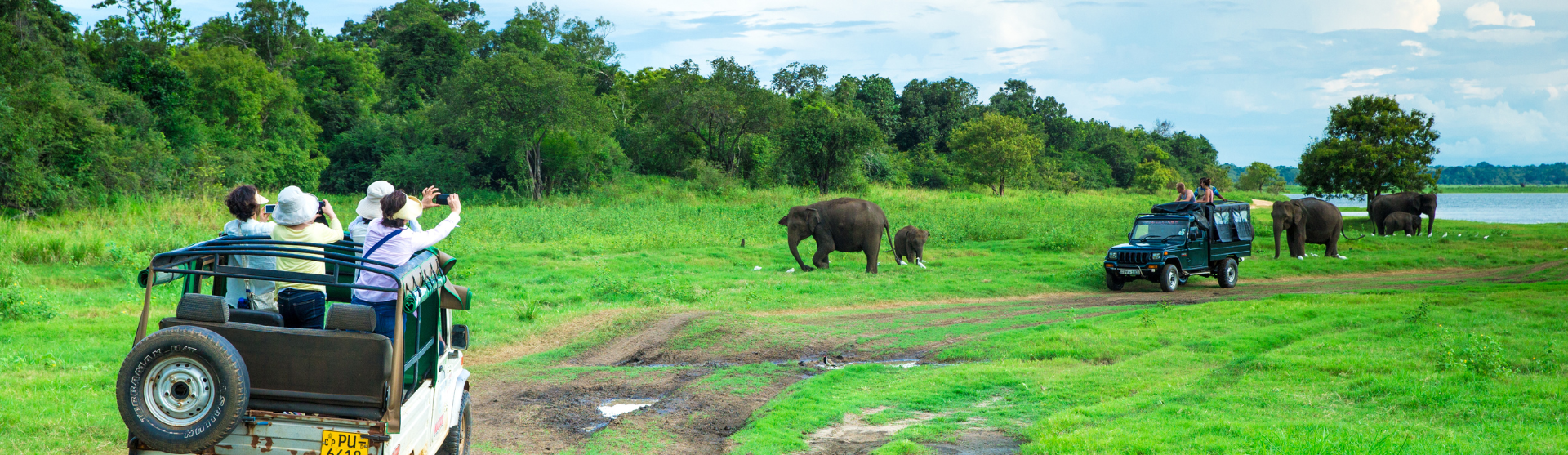
This isn’t Africa — the landscapes, scale and atmosphere is different. But for wildlife encounters, Sri Lanka competes with almost anywhere in the world. The country has one of the highest densities of leopards on the planet. Its elephant population is among the most visible on the continent. Blue whales gather off the southern tip in season. And it does it all within a country you can cross in a few hours.
The two most visited parks are Yala and Udawalawe. Yala has a reputation, particularly for leopard sightings. Udawalawe is smaller, more focused on elephant herds, and often produces longer, less interrupted encounters. They’re genuinely different experiences, and including both in a single trip usually dilutes both.
The variable that makes the greatest difference in any Sri Lankan safari isn’t the park. It’s the guide. A private vehicle with the right person changes everything, from early positioning, to an ability to read the environment and explain what you’re seeing.
What to keep in mind:
- Yala and Udawalawe each have a distinct character, choosing between them is worth thinking through
- Staying close to the park eliminates long early morning transfers and preserves the experience
- A private guide and vehicle isn’t a luxury here; it’s the thing that makes it memorable.
How the trip ends matters
The mistake most itineraries make is treating the final destination as an afterthought, somewhere to decompress before flying home.
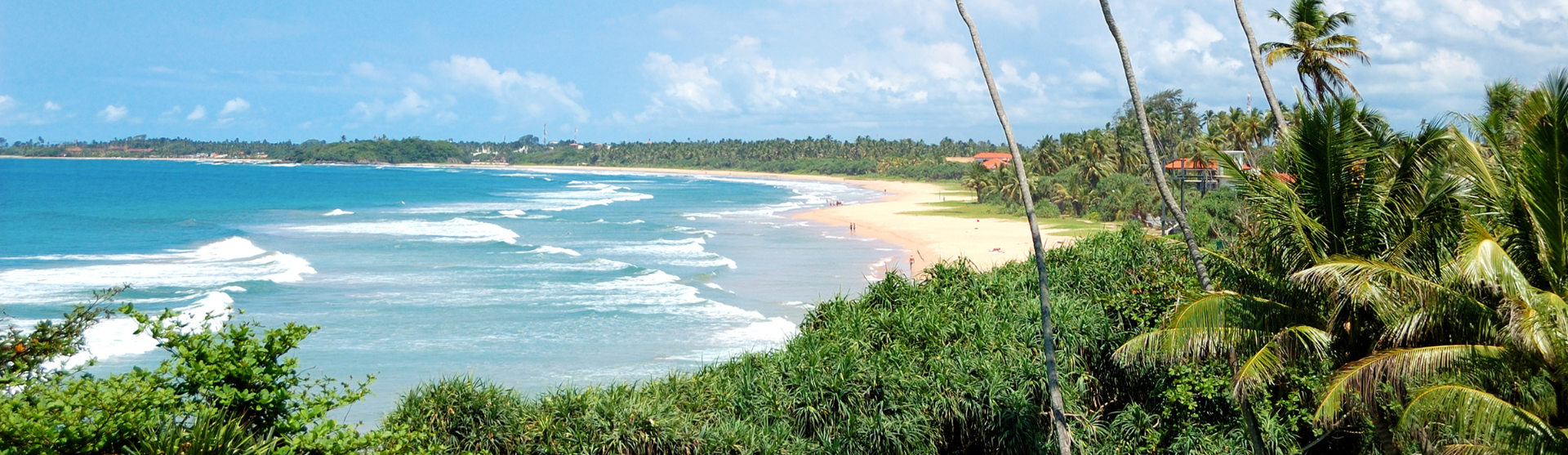
Done well, the last few days of a Sri Lanka trip are among the best. There are pockets of coastline in the east and north that feel genuinely off the usual path. There are properties that face the right direction for sunset, have the right stretch of beach, and let you slow down in a way that feels intentional rather than incidental.
Getting this part right also means minimizing travel on your final day. Nothing undermines the end of a trip quite like a long transfer to the airport.
Where trips fall short
It’s rarely the destination. Sri Lanka’s key regions are genuinely exceptional. The places that disappoint are almost always the result of decisions made early in the planning process.
- Moving too quickly between regions, the cumulative effect of too many transfers is exhaustion
- Choosing properties based on photography rather than positioning, atmosphere, and fit
- Trying to include everything, the trips that feel most complete are usually the ones that leave something out
- Underestimating hill country, rushing the south coast, or treating the safari as a half-day activity
These aren’t dramatic errors. They’re small decisions that compound and they’re the exact things an experienced advisor will steer you away from.
Ready to plan it properly? When you’re ready to start, your 1000MTG advisor is too.
Talk to a 1000 Mile Travel Escapes Travel Advisor today!