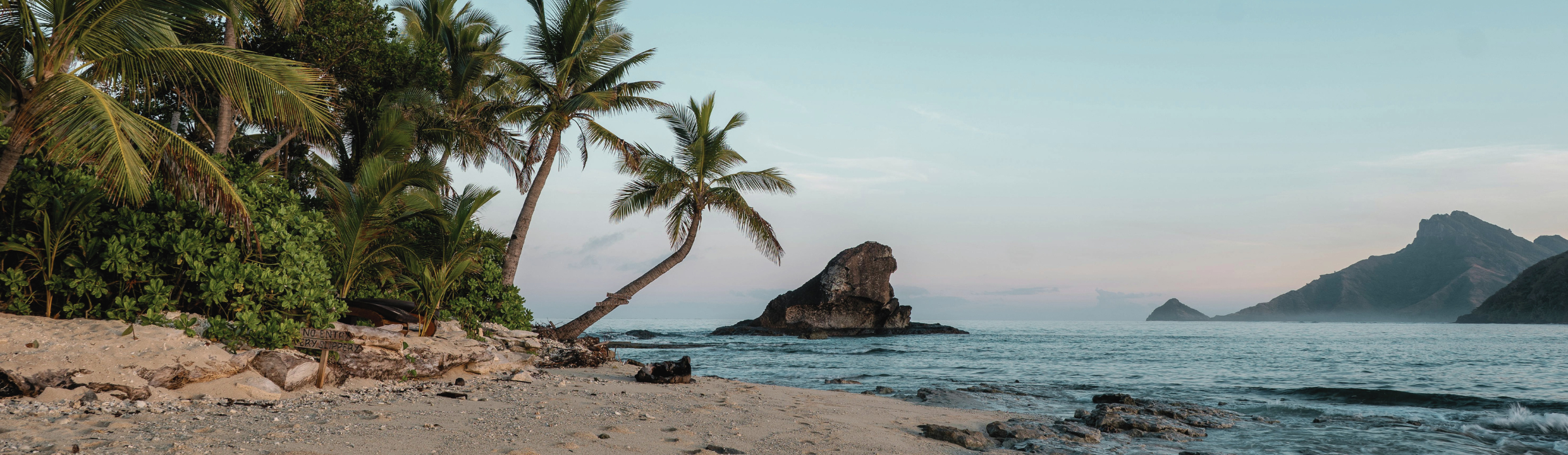
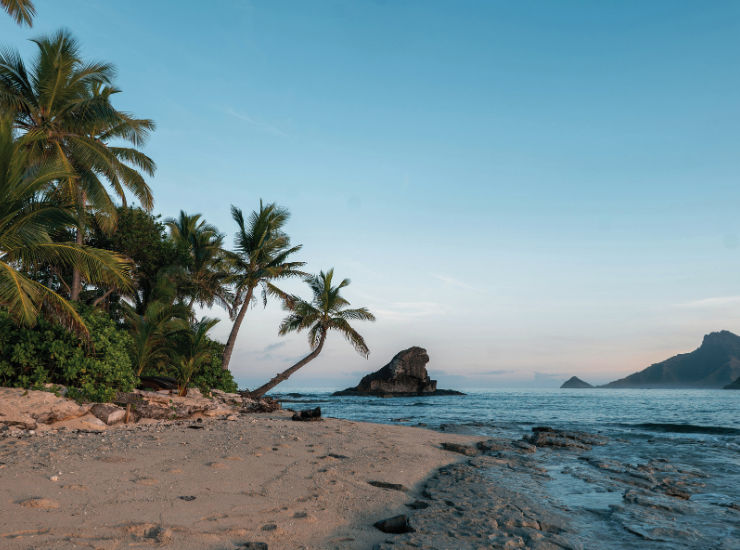
Maldives vs Tahiti: Which island escape is right for you?

Written by Luke Jones
Independent Travel Advisor Australia
This week came a question from a customer “We can’t decide between the Maldives and Tahiti. Just tell us which one.”
I get this question more than almost any other in my inbox. Usually, I’d talk them through the vibe difference, throw in a few resort names, and let them sit with it for a week. This time was different, because for the first time in years, the honest answer to “which one” partly comes down to something that has nothing to do with lagoons or bungalows at all it comes down to the aeroplane.
2026 has quietly rewritten the travel-time equation between Australia and both destinations, the newly announced services operating or operating soon.
Let’s go through it properly geography, cost, activities, seasons, visas, and the flight news that may genuinely move the needle because “just pick one” deserves a real answer, not a coin toss.
Two Very Different Holidays Wearing the Same Swimsuit
On paper, Maldives and Tahiti look like twins. Both have overwater villas, warm turquoise water, and honeymoon branding stamped all over them. In reality, they’re built on completely different geography, and that shapes the whole trip.
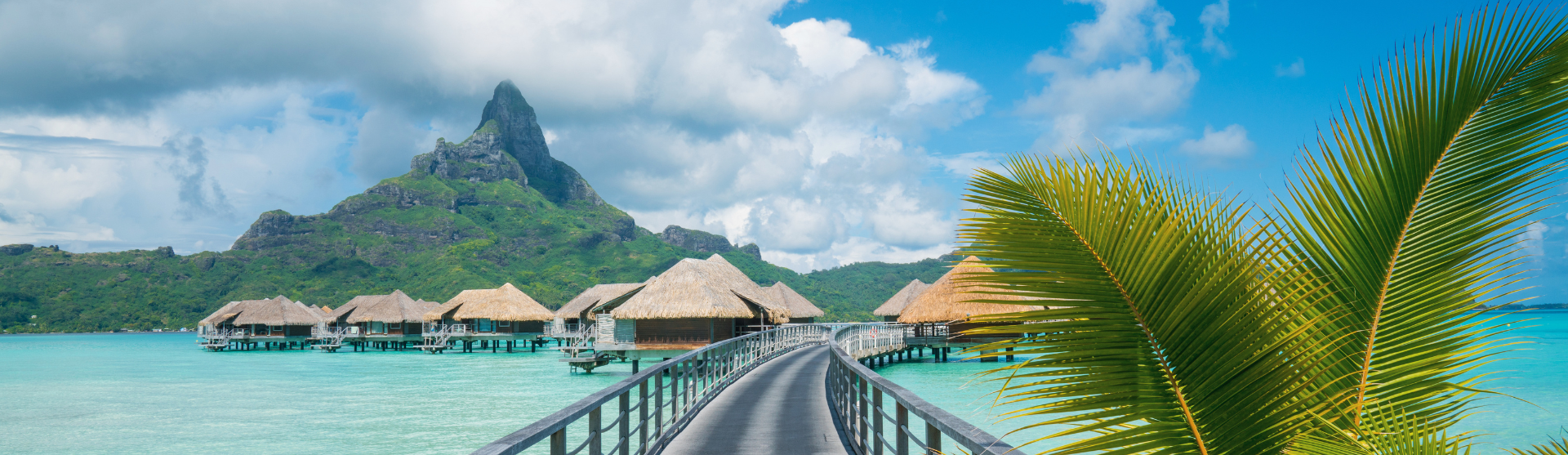
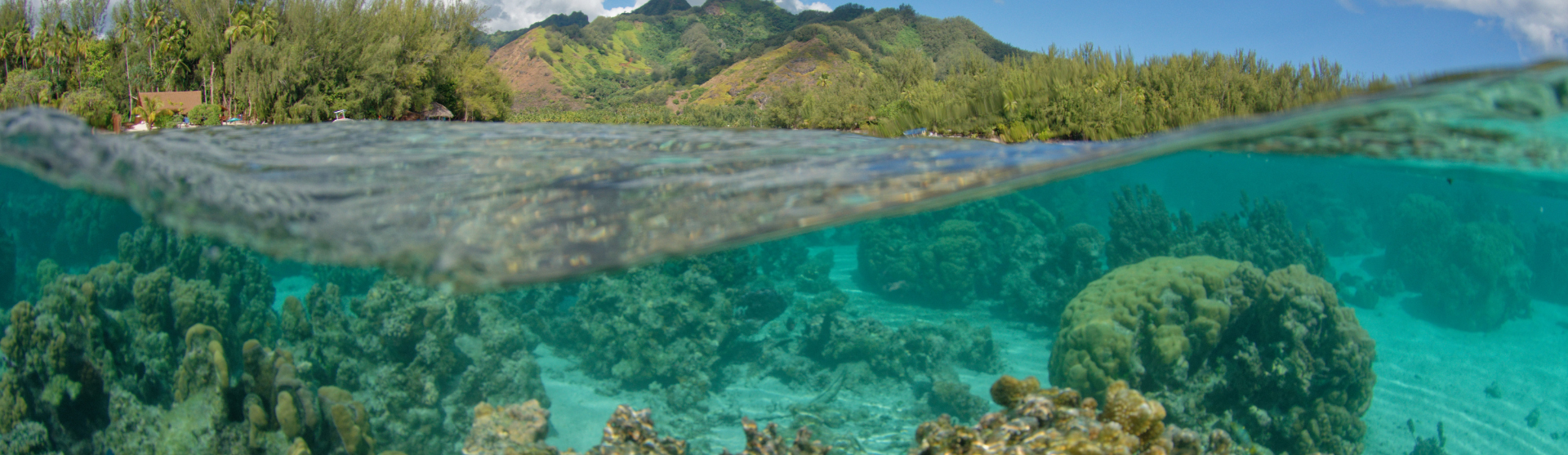
Tahiti is shorthand for French Polynesia, a scattering of volcanic islands with mountain peaks, lush interiors, and a lagoon that wraps around the land rather than replacing it. Bora Bora’s Mount Otemanu rising behind the lagoon is the postcard shot; Moorea’s jagged green peaks are the same idea. There’s a real sense of place — markets, local culture, a mix of resort styles from boutique to beachfront villas that can be better value than the overwater rooms. The highest point on Tahiti itself is 2,241 metres.
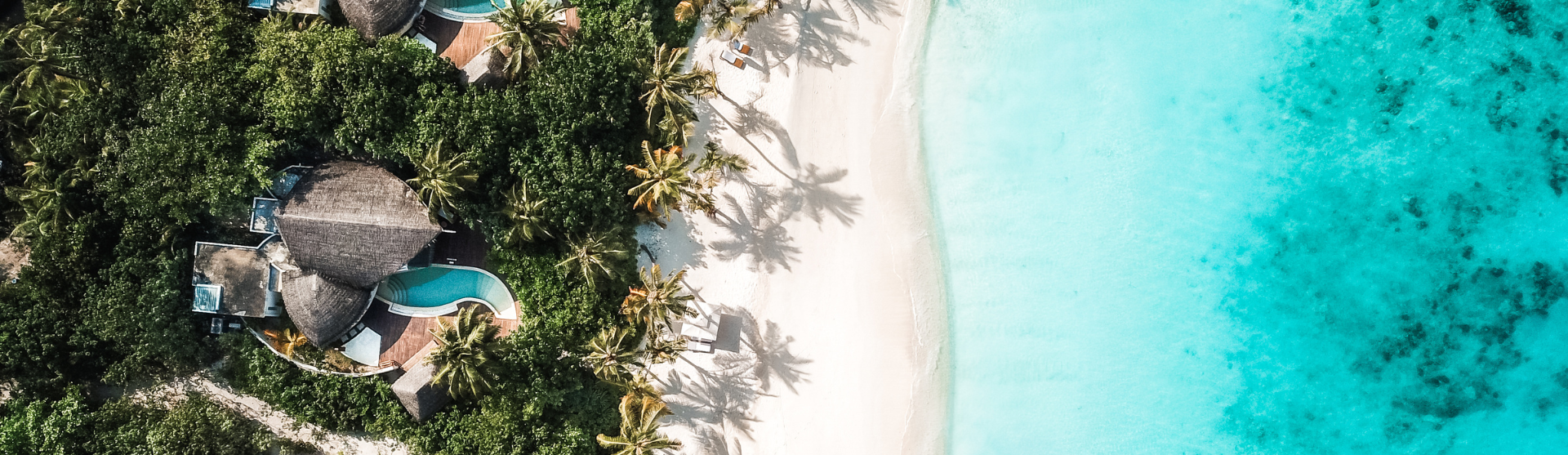
The Maldives is the opposite idea taken to its extreme. It’s roughly 1,200 low coral islands scattered across the Indian Ocean, and the highest point in the entire country is 2.4 metres. There are no mountains, no local villages next door, often no other land in sight at all, just your resort, the reef, and the horizon. Most Maldives resorts occupy their own private island, so privacy is baked into the design: private pools, dedicated butlers, generous space between villas.
Put simply: Tahiti is a destination you experience across several islands. The Maldives is one exceptional resort, surrounded by water, that becomes your entire world for the week.
Getting There Just Changed
For years, both destinations shared the same problem for Australians: getting there was a slog. Not anymore, and this is the part of the conversation that’s new.
Maldives. For years, Australians flying to the Maldives usually routed through Singapore, Dubai, Doha or Colombo, with total travel time often stretching past 20 hours. In May 2026, Luxury Escapes partnered with Maldivian Airlines to launch Australia’s first-ever direct route Melbourne to Malé, non-stop, in around 11 hours. It began as a weekly seasonal charter tied to Luxury Escapes holiday packages, but strong demand has pushed Luxury Escapes and Maldivian to extend the route to year-round operation through 2027. Packages currently start from around AUD $2,399 per person for flights plus five nights at a five-star resort, with standalone return economy fares from about $1,429.
Tahiti. Even bigger news, and it lands in December. Air Tahiti Nui is launching the first-ever direct, non-stop service between Sydney and Papeete, starting 14 December 2026, flying twice weekly on a Boeing 787-9 Dreamliner in around 8 hours. Until now, every Australian journey to Tahiti routed through Auckland (or further afield via Los Angeles), adding four to twelve hours depending on connections. Fares are already on sale, with economy return listed from roughly AUD $1,023–$2,500 and business from around $3,500 upward.
What this means practically: the Maldives has closed roughly ten hours of transit for Melbourne travellers since May, and Tahiti is due to close a similar gap for Sydney travellers from mid-December. Neither destination is automatically “the easy one” anymore — it now depends which city you’re flying from and when you’re going, more than it depends on the destination itself.

The Money Conversation
Cost comparisons on this pairing vary wildly depending on resort tier, but the broad pattern is consistent. Entry-level overwater villas start around $300–$400 a night in both the Maldives and Moorea, mid-range options usually sit around $500–$1,000, and premium villas with private pools push into the $1,000–$3,000+ bracket — with Bora Bora consistently the priciest choice for equivalent quality.
The bigger structural difference is what’s included. Maldives resorts frequently sell all-inclusive packages with alcohol included, which is much less common in Tahiti. That changes the maths on a like-for-like comparison — a Maldives nightly rate often buys you meals and drinks that you’d be paying separately for in French Polynesia. On the flip side, Tahiti gives you cheaper alternatives to the overwater room itself: beachfront villas and garden suites at boutique properties, or a stopover in Moorea at 30–50% lower prices than Bora Bora with easier logistics. If budget is the deciding factor, Tahiti (specifically Moorea, or main-island Tahiti rather than Bora Bora) usually undercuts an equivalent Maldives resort stay.
What You’ll Actually Do All Day
This is where I spend most of the actual conversation with clients, because it matters more than the photos.
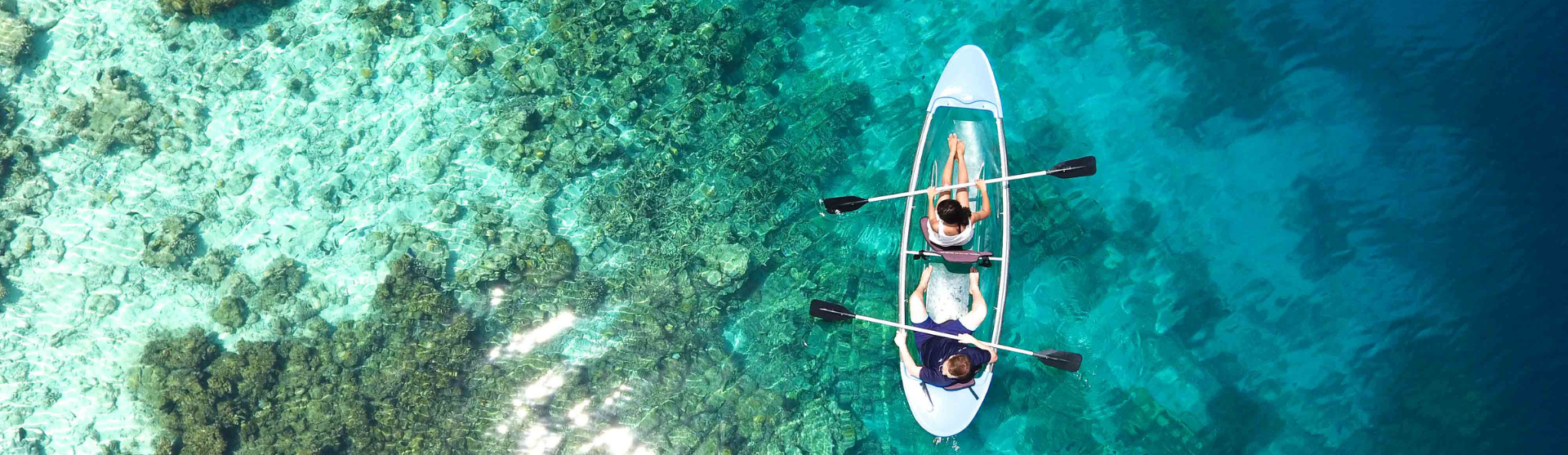
The Maldives is built for water-based, resort-run activity: snorkelling and diving straight off your villa deck, house reefs, manta ray and whale shark season, sunset cruises, spa days, and excursions booked through the resort desk. If your idea of a great day is barely leaving the water and never touching a to-do list, this is the stronger fit. Gili Lankanfushi, Baros and Huvafen Fushi are regularly named for their exceptional house reefs if snorkelling straight off the deck matters to you.
Tahiti gives you more reasons to leave the resort. Surfing culture runs deep here, alongside diving, island-hopping between Tahiti, Moorea and Bora Bora, hiking to waterfalls, and a food and market culture with genuine local character. It suits couples and families who want a mix of beach time and actual exploring, not just resort time.
Tahiti’s Other Advantage: You Can Actually Cruise It
This is the bit I always bring up with clients, because it’s a genuine structural difference between the two, not just a preference. Tahiti is genuinely built for cruising. The Maldives isn’t — every resort is its own private island, so there’s no real “hop between islands by ship” culture there the way there is in French Polynesia.
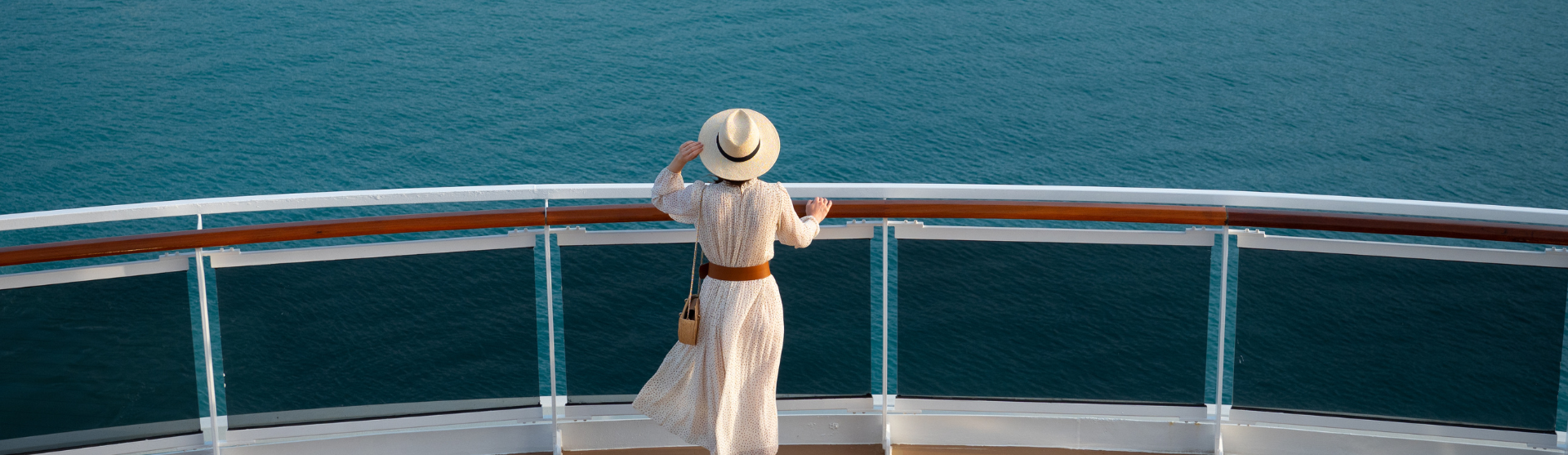
Papeete is the year-round homeport for the 330-guest m/s Paul Gauguin, currently the only ship based permanently in Tahiti with year-round roundtrip sailings through the Society Islands, Tuamotus and Marquesas. The classic seven-night “Tahiti and Society Islands” loop calls at Huahine, Taha’a, an overnight in Bora Bora and an overnight in Moorea before returning to Papeete the greatest-hits tour of French Polynesia without repacking a bag every second night.
Windstar Cruises runs a similar concept on its smaller yacht-style ships, also sailing year-round from Papeete, with itineraries from 7 nights up to a 22-night “Comprehensive Tahiti & Marquesas” epic that reaches the remote Marquesas under sail. If clients want something rougher around the edges and far more local, Aranui’s working cargo-passenger ships still supply the Marquesas and carry a limited number of passengers along for the ride — not luxury, but unmatched for genuine culture and access.
Bigger ships call in too. Princess, Oceania, Regent Seven Seas, Seabourn, Silversea, Celebrity and Azamara all include Papeete, Bora Bora or Moorea on longer South Pacific itineraries, usually woven into a broader New Zealand, Australia or Hawaii repositioning voyage.
The direct Sydney-Papeete flight landing this December makes this an even easier sell than it already was. Fly out Tuesday or Friday evening, land in Papeete before breakfast, and walk onto a ship that same day a genuinely simple fly-cruise combo that didn’t exist before this year.
When To Go And What To Actually Avoid
Both destinations are shaped by wet and dry seasons rather than four distinct ones, and it’s worth getting this right before you lock in dates.
Maldives: the dry season (Iruvai, the northeast monsoon) runs roughly December to April, with February and March the driest and calmest for diving and snorkelling. The wet season (Hulhangu) runs May to November, bringing short heavy showers rather than sustained grey days — and it’s also cheaper, plus prime season for manta rays and whale sharks around August to November. Genuine cyclones are rare given its equatorial position.
Tahiti: it flips almost exactly. The dry season runs May to October and is considered the best weather window, while November to April is the wetter, hotter “austral summer” and also carries French Polynesia’s cyclone risk, historically averaging three to six systems across that stretch of the South Pacific, though direct hits on Tahiti itself are uncommon. If you want the sweet spot without peak crowds or peak prices, May/June and September/October are the shoulder-season pick.
Translation for planning purposes: if you’re chasing dry, calm, postcard weather, the Maldives is strongest from December to April and Tahiti is strongest from May to October — almost mirror opposites. If your travel dates are fixed rather than flexible, that alone might make the decision for you.
Visas and Practicalities for Aussies
Neither destination requires Australians to arrange a visa in advance, which is one less thing to worry about. The Maldives issues a free visa on arrival, and Australian passport holders travelling to French Polynesia can enter visa-free for stays of up to 90 days. Do make sure your passport has at least the standard minimum validity and that you’re travelling with confirmed return tickets and prepaid accommodation for the Maldives, since entry can be refused without them.
Who Each One Actually Suits
If I had to boil down a decade of these conversations into two lines, it’s this:
Choose the Maldives if you want near-total relaxation, one exceptional resort that feels like a self-contained world, outstanding underwater experiences, and the luxury of doing very little without ever getting bored.
Choose Tahiti if you want changing scenery, a real sense of culture and place, the option to combine islands and a holiday that mixes resort time with genuine exploring.
Luke’s Take
Here’s what’s actually changed for me this year. For a long time my honest advice leaned Maldives for anyone flying from the east coast, purely because the flights were less brutal. That advantage has evaporated. Come mid-December, a Sydney couple can be on the ground in Papeete in eight hours less time than it takes some domestic connections to Perth. Melbourne travellers have had their own shortcut to Malé since May. The flight excuse, which used to do half the deciding for people, doesn’t hold the same weight anymore.
So now I ask a different first question, and it’s not “which photo do you like more.” It’s “what do you want to be doing on day four?” If the honest answer is “still in the same spot, face down in a book, ordering another cocktail to the same deck,” that’s the Maldives talking. If the answer involves a boat trip, a market, a hike, or wanting to tell people a story that isn’t just “the water was blue,” that’s Tahiti talking.
Neither is the wrong choice — both destinations do the overwater fantasy beautifully, and nobody comes home disappointed from either. But the flights just stopped being the tiebreaker, which means the decision has been handed back to what actually matters: what kind of holiday you want, not which one is easier to get to.
I had a couple message me last week asking exactly this. I sent them two options a December-launch Sydney-Papeete package around the school holidays, and a February Maldives resort in the dry season sweet spot. They’re deciding based on whether they want to explore or disappear. That’s the right way to choose.
Let’s talk
Whether you’re a new traveller, a supplier, or just have a question I’m always happy to chat.
Follow the newsletter, reach out on LinkedIn, or get in touch directly: luke.jones@1000miletravel.com.au | 0434 146 598
Maldives or Tahiti? Let’s find your perfect fit.