Japan beyond the golden route

Written by Mahala Summers
Global Head of Marketing
A first-hand account from the JNTO Luxury Showcase and ten extraordinary regions that redefine what a Japan journey can be.
There is a Japan that most travellers know. The one in every travel guide, the temples of Kyoto at dawn, the neon of Shibuya at midnight, bullet trains and perfectly composed bowls of ramen. It is genuinely magnificent. And it is, by any measure, the beginning of the story rather than its entirety.
Japan beyond the golden route – the triangle of Tokyo, Kyoto, and Osaka that dominates most itineraries – is where the country becomes something else entirely. Quieter and more intimate. And for the discerning traveller who has perhaps already done Japan once, or simply wants something different, it’s where the most extraordinary journeys begin.
Recently, I had the privilege of experiencing a Japan itinerary designed by the Japanese National Tourism Organisation with this philosophy in mind. What followed was a journey that will stay with me forever and a reminder that the finest experiences are rarely the ones that appear in search results.
Into the countryside
Every great journey deserves a great beginning. The Fairmont Tokyo, one of the Japanese capital’s most considered new openings, is a property that understands what the modern luxury traveller wants: a base that feels connected to the city rather than insulated from it, with service depth to match. Two hours from Tokyo, the landscape changes completely. The Nasu Highlands sit in Tochigi Prefecture, a region of volcanic mountains, pristine rivers, forested valleys, and farming communities that have worked the same land for centuries. It’s the kind of Japan that foreign visitors rarely reach, and urbanites travel to deliberately.
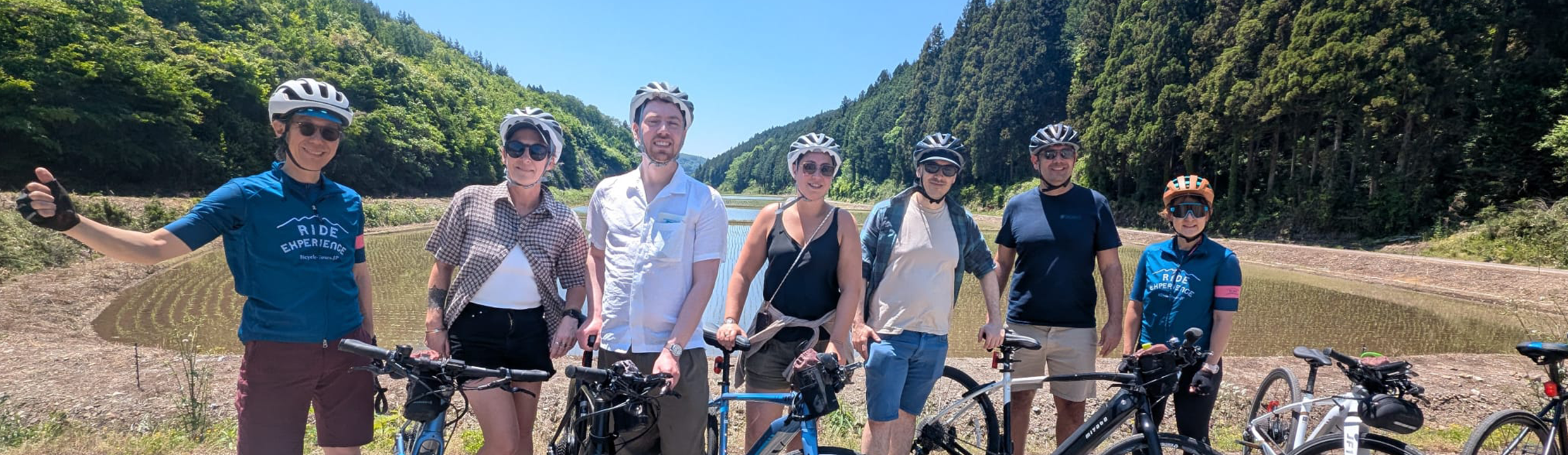
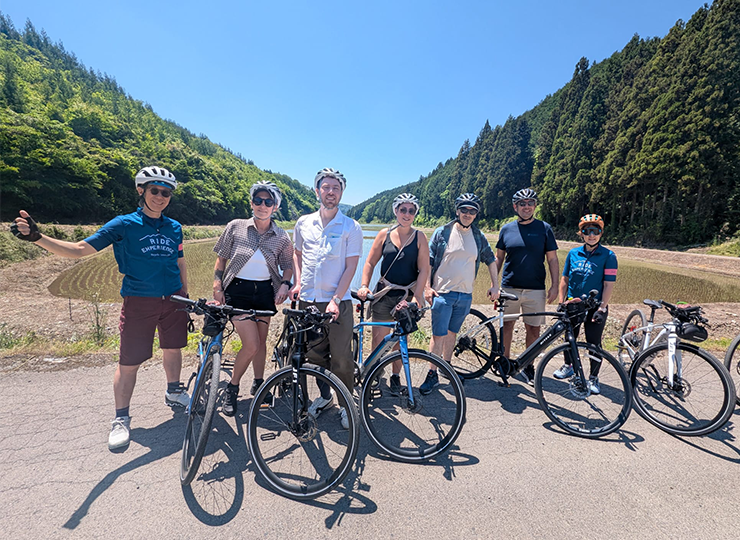
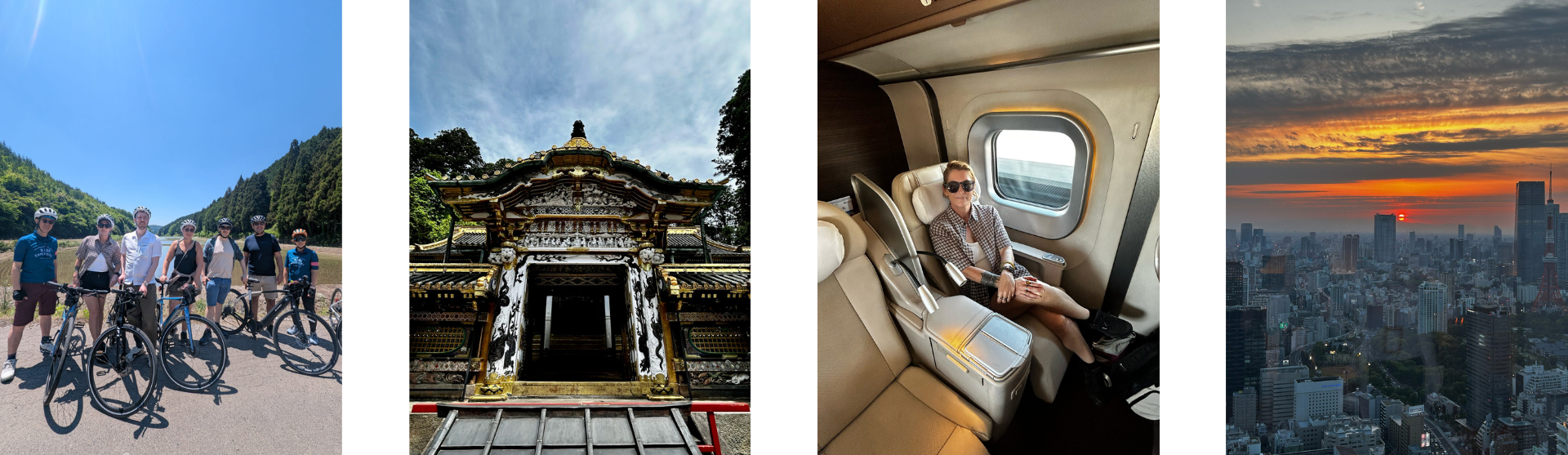
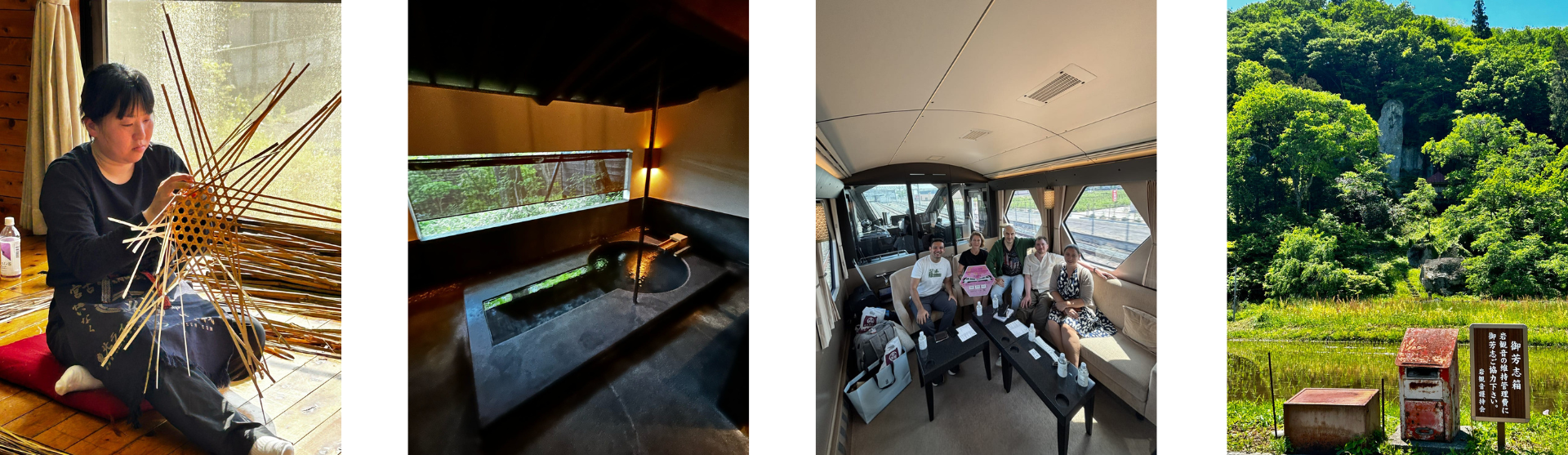
My guided e-bike tour with Ride Experience was one of those rare travel experiences that makes you feel that you’ve earned the landscape around you. Cycling through peaceful countryside between old farming villages is a fundamentally different experience. You stop when something catches your attention, because there is no schedule demanding otherwise.
Lunch was taken at a local farmer’s house, a farm-to-table experience in the truest sense of the phrase. There is something about eating in the place where the food was grown, with the people who grew it, that reorients your relationship with a meal. The afternoon brought a traditional bamboo grass craft experience by Maiko Nakamura, a young woman preserving a craft that requires patience and a certain surrender to slowness.
The evening was spent at Nasu Bettei Kai, a property that represents a particular ideal of Japanese hospitality, the ryokan tradition interpreted through a contemporary luxury lens, where each room is artfully designed and furnished with a private onsen. Kaiseki cuisine at Nasu Bettei Kai arrives as it should: as a procession of small, perfect things, each course calibrated to the season, the setting, and the ingredient at its absolute peak, all while guests are dressed in their signature yukata.
Sacred ground: Toshogu Shrine and the Ritz-Carlton
The following day brought me to Nikko, a town whose setting in the mountains of Tochigi Prefecture adds a natural grandeur, while the Ritz-Carlton Nikko on Lake Chuzenji qualifies as one of the most beautiful hotel locations in Japan. Nikko Toshogu Shrine is, by any standard, one of the most extraordinary sacred sites in Asia. Built in the early seventeenth century as the mausoleum of Tokugawa Ieyasu, the shogun who unified Japan, it combines architectural complexity and extraordinary craftsmanship.
To visit a shrine of this significance is one thing. To receive a blessing from the monk dedicated to the Shogun, as I did, is something else entirely. A blessing at Nikko Toshogu Shrine, arranged for and experienced at the level of sincerity it demands, belongs to a different category of experience entirely.
The return: Tokyo reimagined
The journey from Nikko to Asakusa aboard the Spacia X, the premium limited Tobu Railway train, is a luxurious experience with exceptional design, private compartments, and attentive on-board service second to none. After the mountain landscapes and ancient shrines of Nikko, arriving at 1 Hotel Tokyo, a sustainable luxury brand that manages the rare achievement of making environmental commitment feel like an enhancement, was a welcome re-immersion.
Spending the next morning on a private tour of the Edo-Tokyo Museum, one of the city’s most significant cultural institutions documenting its transformation across four centuries of history and meeting the architect of the redevelopment was a treat not to be missed.
Nine other regions worth your attention
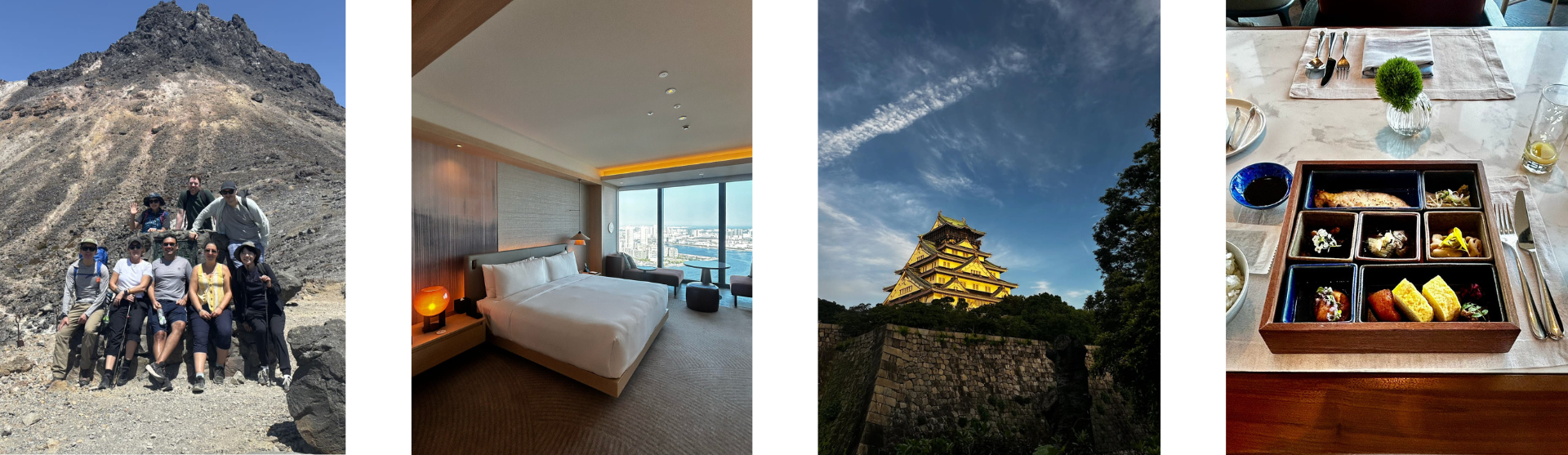
The itinerary above is one interpretation of Japan beyond the obvious. The country offers many distinct luxury travel regions, each with its own character, access points, and reasons to be experienced by a traveller who understands the difference between visiting a place and understanding it.
Eastern Hokkaido
Japan’s northern frontier has extraordinary wildlife, dramatic volcanic landscapes, and some of the world’s finest winter snowscapes. Remote, raw, and deeply rewarding for travellers who want to see the drift ice on the Sea of Okhotsk, red-crowned cranes in the Kushiro Marshland, and hot springs surrounded by snow. This is the Japan that leaves a lasting impression.
Yamagata
 The Yamagata region offers a remarkable contrast to the capital with mountain shrines, onsen towns, and rice paddies alongside sake breweries that have run for centuries. The Yamadera cliff temple, Ginzan Onsen hot spring village, and Zao ski resort offer an extraordinary range of experiences within relatively easy reach of Tokyo. A luxury base in the city paired with a ryokan immersion in Yamagata is one of Japan’s most satisfying travel combinations.
Niigata
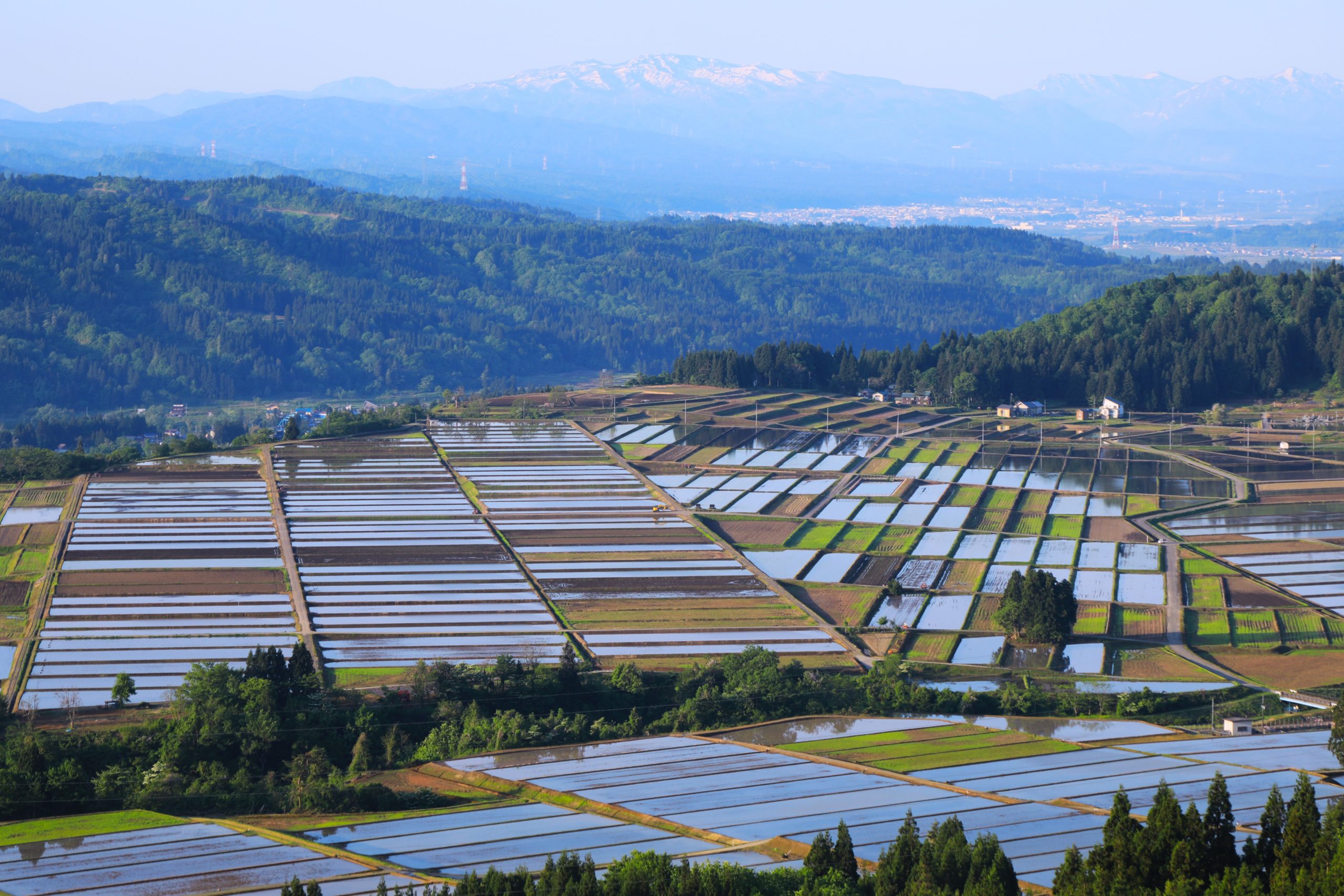 Niigata sits on the coast of the Sea of Japan, a region whose rice and sake are among Japan’s most celebrated, and whose winter landscape is extraordinary. Niigata rewards the traveller who approaches it with curiosity. The Ryugon, a heritage farmhouse hotel near Yuzawa, is the kind of property that defines a region’s luxury identity.
Mt. Fuji
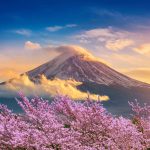 Japan’s most iconic natural landmark is, in the luxury context, experienced not from the crowds at the fifth station, but from a private ryokan with an unobstructed lake view at dawn or from the air, by private helicopter, is memorable. The Fuji Five Lakes region offers some of Japan’s finest traditional accommodation, with the mountain as a constant, shifting presence across every season.
Matsumoto
Set in the Japanese Alps, Matsumoto is anchored by one of Japan’s few original surviving castles, a sixteenth-century structure of extraordinary elegance, surrounded by mountain scenery, craft traditions, and onsen towns. The nearby Kamikochi valley is among Japan’s most pristine alpine environments and is most meaningfully experienced in the company of an expert guide with genuine knowledge of its ecology.
Ise-Shima
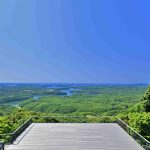 The Ise-Shima peninsula in Mie Prefecture is the spiritual heartland of Shinto, home to the Grand Shrines of Ise, which are rebuilt every twenty years in a tradition that has continued without interruption for thirteen centuries. The peninsula also offers outstanding seafood, pearl diving demonstrations with the Ama women divers, and the Amanemu, one of Japan’s most celebrated luxury resort properties.
Kii Peninsula
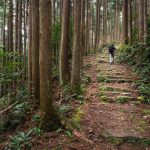 The Kii Peninsula, the largest peninsula in Japan, has one of the country’s most significant UNESCO World Heritage Sites: the Kumano Kodo pilgrimage route, which have been walked by Japanese for over a thousand years. For the luxury traveller, this is an opportunity to walk sections of the ancient paths between extraordinary ryokan properties, with the spiritual weight of the landscape as constant company.
Setouchi
The Seto Inland Sea, the protected body of water between Honshu, Shikoku, and Kyushu, is one of Japan’s greatest undiscovered luxury destinations. The art islands of Naoshima, Teshima, and Inujima have made the region internationally significant in the contemporary art world, while the slow travel possibilities by private boat, combined with exceptional local seafood and a string of beautiful port towns, make Setouchi a journey that rewards extended time.
San’in
The San’in region, the Japan Sea coast of western Honshu, encompassing Tottori and Shimane prefectures, is perhaps Japan’s least-visited significant cultural landscape. The Tottori sand dunes (the only large coastal dunes in Japan), the Izumo Taisha shrine, and a coastline of extraordinary beauty combine in a region that feels exploratory for the traveller who arrives here.
Japan rewards depth. The traveller who moves slowly through fewer regions, with the right knowledge and the right access behind each stop, will leave having experienced something that most visitors to Japan, including many who have been multiple times, never quite reach.
Plan your Japan journey with us
Whether you are coming to Japan for the first time and want to build an itinerary that moves beyond the expected, or you’re returning to a country you love and ready to discover regions that most visitors never reach, the 1000 Mile Travel Escapes team is ready to design a journey around your interests, your pace, and your standards.
Want to travel beyond the golden route?
The 1000MTG Escapes team can help you design a Japan trip that’s truly meaningful.