Canada – British Columbia & The Rockies
Wilderness, wonder, and the art of doing it in style
Most people arrive in British Columbia and the Canadian Rockies with a reasonable sense of what to expect. Mountains. Glaciers. Bear – possibly – and scenery that looks like it belongs on a screen saver.
What they don’t expect is the scale. The sheer, humbling, perspective-altering scale of a landscape that stretches further than the eye can process, where a drive that looks short on a map takes three hours, where mountains visible from your lodge window are not a backdrop but the actual foreground, and where wildlife encounters happen not in a park with a viewing platform but on the road in front of your vehicle.
This is also a region where luxury travel has quietly evolved into something genuinely world-class. The era of tolerating basic accommodation in exchange for wilderness access is over. The lodges, retreats, and backcountry properties available here now sit comfortably alongside the finest in the world, and knowing which ones are worth it, and how to arrange them is where the real planning begins.
This guide covers the key regions and experiences across British Columbia and the Rockies. What it can’t do is build your specific itinerary; that conversation needs to happen between you and your advisor.
Vancouver – The most livable gateway city on earth
Vancouver is where most trips begin, and it deserves more than a single night before heading inland.
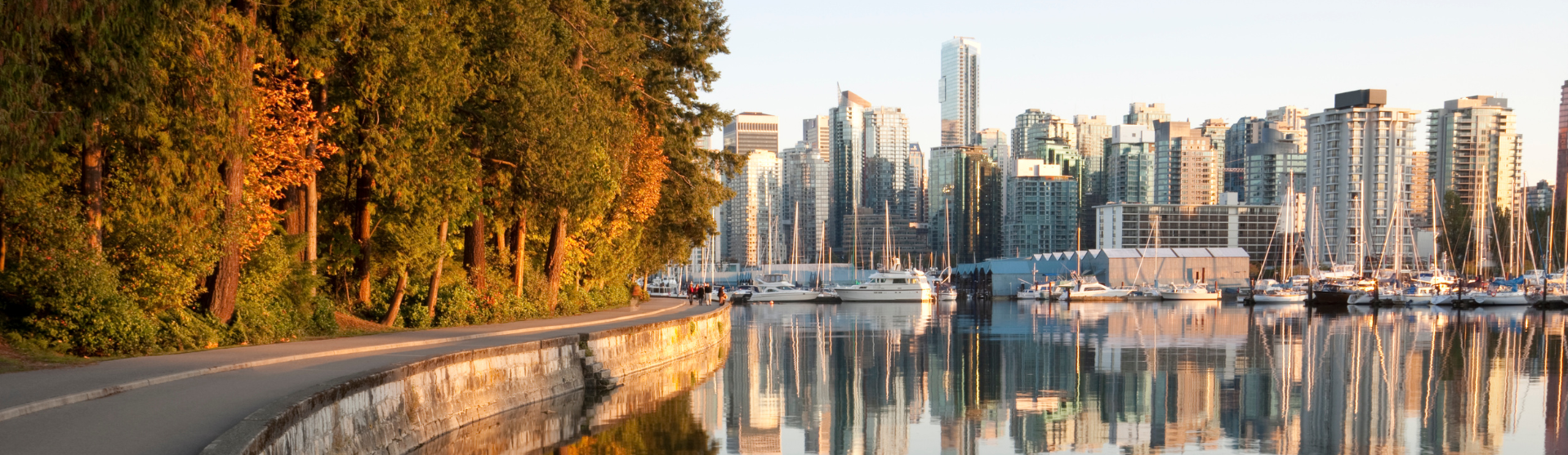
The city sits in one of the most dramatic natural settings of any urban center – ocean to the west, mountains rising directly to the north, Stanley Park’s old-growth forest pressed right up against the downtown skyline. It looks like it shouldn’t work, but it does..
The food scene here has matured into something exceptional, anchored by some of the finest Pacific seafood available anywhere, spot prawns, pacific salmon prepared in ways that feel both traditional and entirely modern, and a Cantonese influence that runs deep and produces some of the best Chinese food outside of Hong Kong. Eating well in Vancouver requires very little effort and almost no compromise.
Beyond the city itself, the surrounding region offers experiences that are often overlooked by travelers keen to push on to the mountains: whale watching in the Strait of Georgia, a floatplane to a remote coastal lodge, or a day trip to Whistler that turns into a reason to stay longer.
What to keep in mind:
- Two nights minimum, one night is a transit stop, not a stay
- The neighborhood you base yourself in shapes the experience considerably. Yaletown, Coal Harbour, and the West End each have a distinct character
- A seaplane flight, either into the city on arrival or out to a coastal destination, is one of those experiences that reframe the entire geography
- Summer is glorious; shoulder season (May, September) offers the same quality with fewer crowds
Whistler – World-class in every season, not just winter
Whistler has a reputation built almost entirely on skiing, and that reputation is deserved. The resort consistently ranks among the finest in North America, with two mountains, over 200 marked runs, a vertical drop that puts most European ski destinations in the shade, and a village with real polish.
But Whistler in summer is a completely different proposition, and one that many travelers haven’t considered. The mountains don’t close, they transform. Mountain biking trails that are as technically demanding. Hiking routes through wildflower meadows with views that cost nothing. Guided glacier walks, zip-lining through old-growth forest, river rafting, and a golf scene that takes advantage of the valley setting in ways that feel almost implausibly scenic.
The Sea to Sky Highway connecting Vancouver to Whistler, passing Squamish and the Stawamus Chief, is one of the great drives in Canada. Shannon Falls, the gondola at Squamish, views across Howe Sound: the journey is worth factoring into your itinerary rather than treating as a transfer.
What to keep in mind:
- Winter: book accommodation and lift passes well ahead, the best properties sell out months in advance
- Summer: the shoulder crowds mean the mountain is yours in a way it never quite is in peak ski season
- The village is walkable and self-contained, but the properties that offer the most elevated experience sit slightly above it
- Heli-skiing and heli-hiking are available for those who want to move beyond the lift-accessed terrain, your advisor can arrange both
The Canadian Rockies – Banff, Jasper & The Icefields Parkway
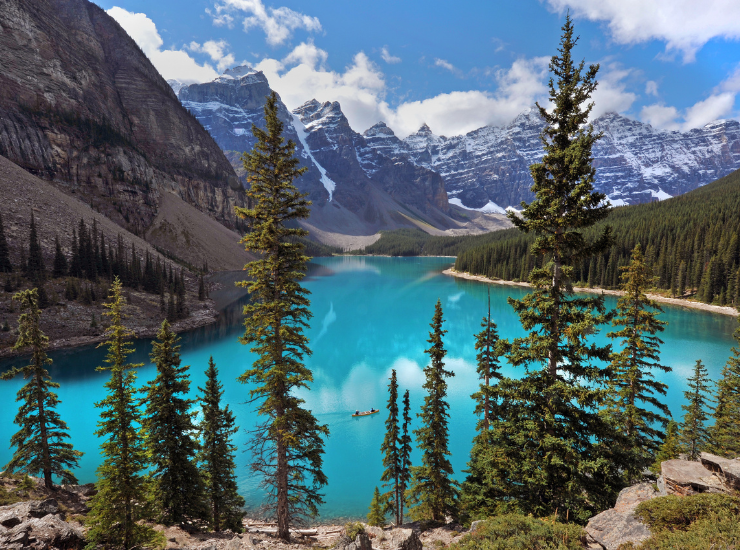
The Canadian Rockies are one of those places where photographs consistently fail to prepare you. The mountains are simply too large, lakes too impossibly colored, and glaciers too ancient and vast for any image to accurately convey the experience of being there.
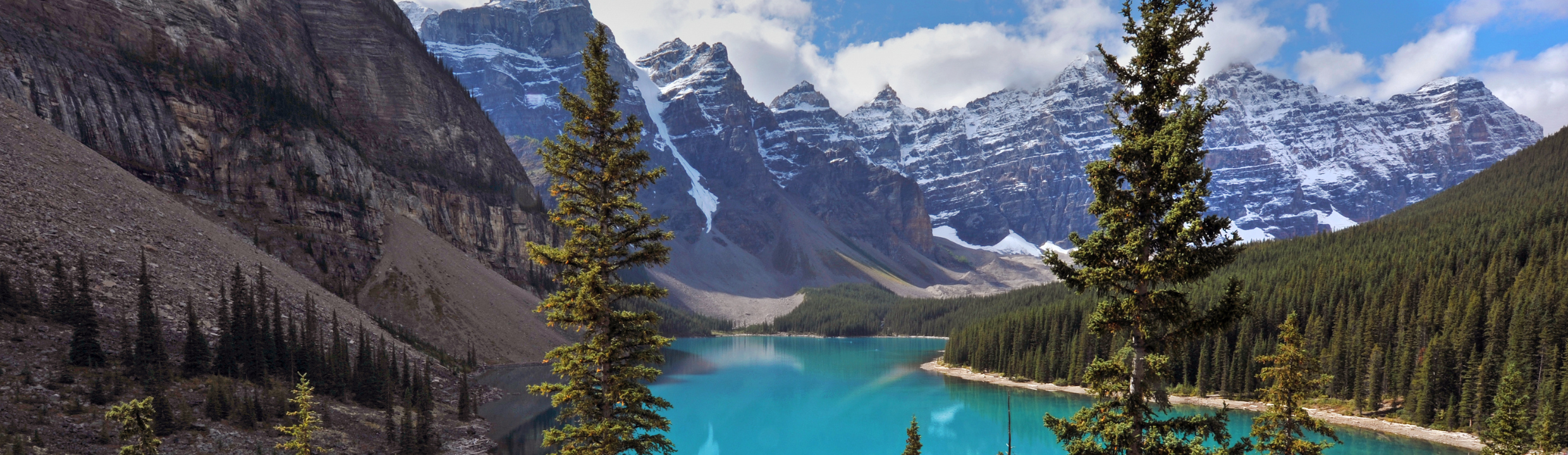
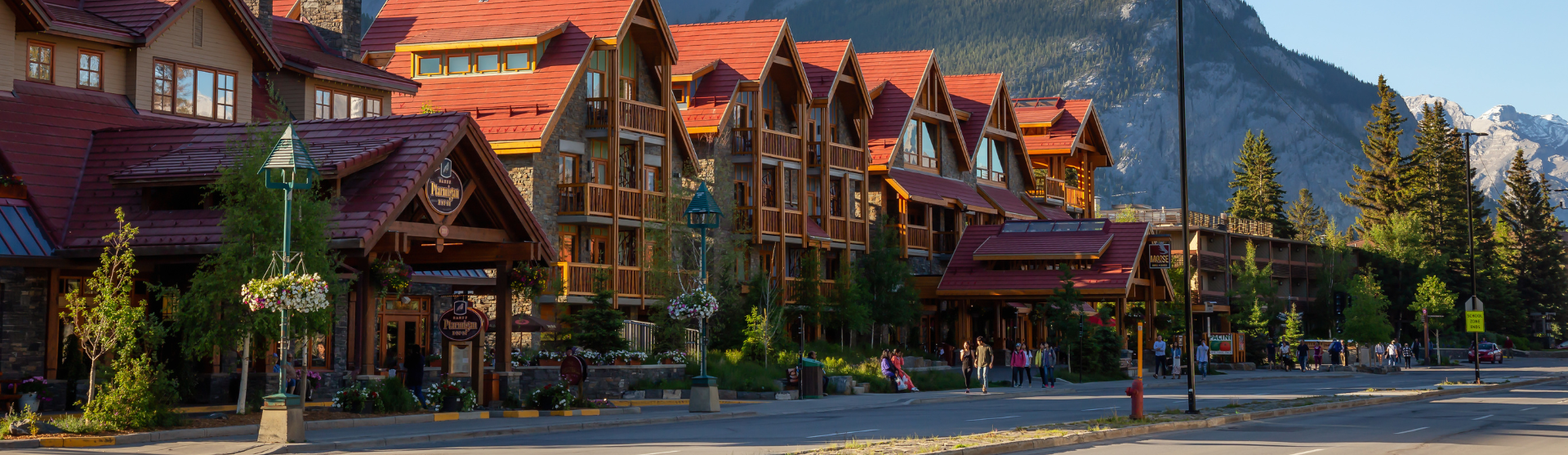
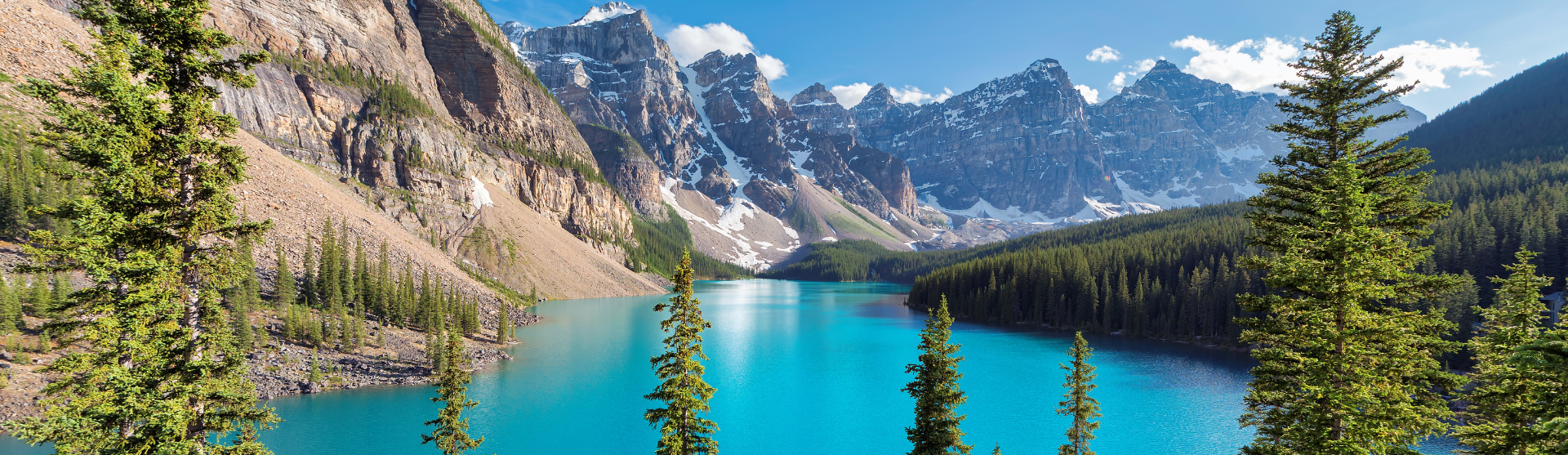
Banff is the most visited part of the Rockies and the natural anchor of any itinerary throughout the region. The town sits inside a national park of extraordinary beauty, Lake Louise and Moraine Lake are among the most photographed scenes in Canada and deserve to be seen in person rather than dismissed because of their familiarity. The key is timing: early morning light on Moraine Lake, before the tour buses arrive, is a transcendent.
Jasper, further north and considerably quieter, offers a different quality of experience. The park is larger, the crowds thinner, the wildlife encounters more frequent and more intimate. Dark sky designation means the night sky here is extraordinary; the Milky Way is visible with a clarity that most people will never see.
The Icefields Parkway connecting Banff and Jasper is one of the greatest drives on earth. Two hundred and thirty kilometres of highway through the heart of the Rockies, passing glaciers, waterfalls, turquoise lakes, and wildlife with a regularity that stops feeling surprising only because it never actually does.
Banff
- Lake Louise and Moraine Lake: arrive before 7am or arrange a shuttle, the payoff is considerable
- The gondola to Sulphur Mountain summit offers views across the Bow Valley that reorient your sense of scale
- Johnston Canyon and the Ink Pots are perfect for a half-day; the canyon walk is spectacular in winter when the falls freeze
Jasper
- Maligne Lake and Spirit Island: one of the most beautiful places in Canada, full stop
- Jasper Dark Sky Festival in October draws astronomers from around the world, which is worth timing a trip around
- Wildlife viewing here — elk, bears, wolves, bighorn sheep — is among the best in North America
The Icefields Parkway
- Allow a full day; stopping frequently is the point
- The Athabasca Glacier walk is an Ice Explorer experience worth doing once
- Peyto Lake viewpoint, Columbia Icefield, Sunwapta Falls: don’t drive past any of them
Remote British Columbia – Where the wilderness becomes the destination
Beyond Vancouver, Whistler, and the Rockies lies a version of British Columbia that most travelers never see and that represents, for those who make the effort, some of the most extraordinary wilderness experiences available anywhere.
The Great Bear Rainforest
The Great Bear Rainforest on British Columbia’s central coast is one of the largest intact temperate rainforests remaining on the planet. It is also home to the spirit bear — a rare white phase black bear found nowhere else in the world — alongside grizzlies, wolves, humpback whales, and an ecosystem of staggering complexity. Access requires a floatplane or boat, and the lodges operating in this region offer an experience that is genuinely remote without sacrificing comfort. These are small-group, conservation-focused operations that combine outstanding wildlife guiding with exceptional food and accommodation.
Haida Gwaii
The archipelago of Haida Gwaii, off British Columbia’s north coast, is one of Canada’s most significant cultural and natural landscapes. Home to the Haida Nation for over 10,000 years, it carries a weight of history and depth of artistic tradition that is unlike anything else in the country. Ancient totem poles standing in rainforest clearings, sea kayaking through kelp forests, and a stillness that is increasingly rare in the modern world.
The Okanagan
South of the Rockies and inland from Vancouver, the Okanagan Valley is Canada’s wine country. The region produces world-class Pinot Noir, Chardonnay, and Riesling from vineyards that sit above a lake system of almost Mediterranean character. The combination of serious wine, outstanding food, and a landscape that surprises most visitors makes the Okanagan a natural addition to longer itineraries, or a destination in its own right.
What to keep in mind
- Remote British Columbia lodges book out in advance, the Great Bear Rainforest in particular fills a year or more ahead for peak season
- Floatplane and helicopter access to remote properties is part of the experience, not an inconvenience
- These experiences combine beautifully with Vancouver and the Rockies on longer itineraries
A note on timing – Every season has a reason
British Columbia and the Rockies are genuinely four-season destinations, but each season offers something fundamentally different, and the right time to go depends entirely on what you’re looking for. Talk to your travel advisor to find out which season is right for you.
Where trips fall short
British Columbia and the Rockies aren’t difficult to visit. But there’s a meaningful gap between a trip that covers the ground and one that actually delivers what this region is capable of.
- Underestimating distances, what looks manageable on a map can mean four hours of driving
- Booking accommodation too late, the best lodges and properties in this region, particularly in summer and ski season, fill months ahead
- Spending too long in Banff town and not enough time out in the countryside – the experience is in the parks, not the high street
- Missing the Icefields Parkway entirely, or driving it too fast – it’s the centerpiece, not the transfer
- Overlooking remote British Columbia, the Great Bear Rainforest and Haida Gwaii are among the most extraordinary places in Canada
- Treating Vancouver as a gateway – it deserves time as a destination in its own right
The common thread is planning that prioritizes logistics over experience. Getting it right isn’t complicated; it just requires someone who knows the region well enough to know what to prioritize.
Canada at its finest. When you’re ready to begin, so are we.
Talk to a 1000 Mile Travel Escapes Travel Advisor today!